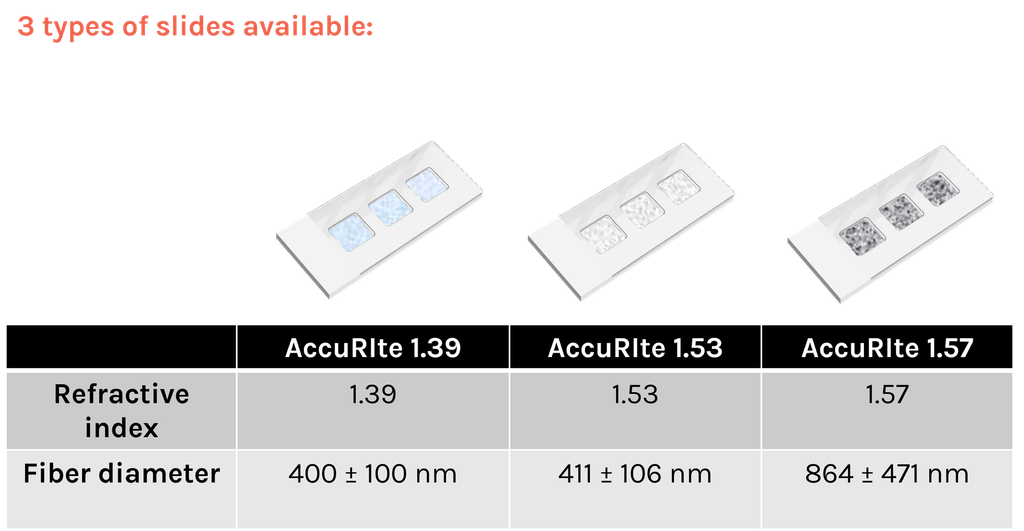
Want to order several slides? Please contact us to request a quote
A technology developed by Komal Agarwal and Biswajoy Ghosh (UiT The Arctic University of Norway, Department of Physics and Technology - Tromsø, Norway)
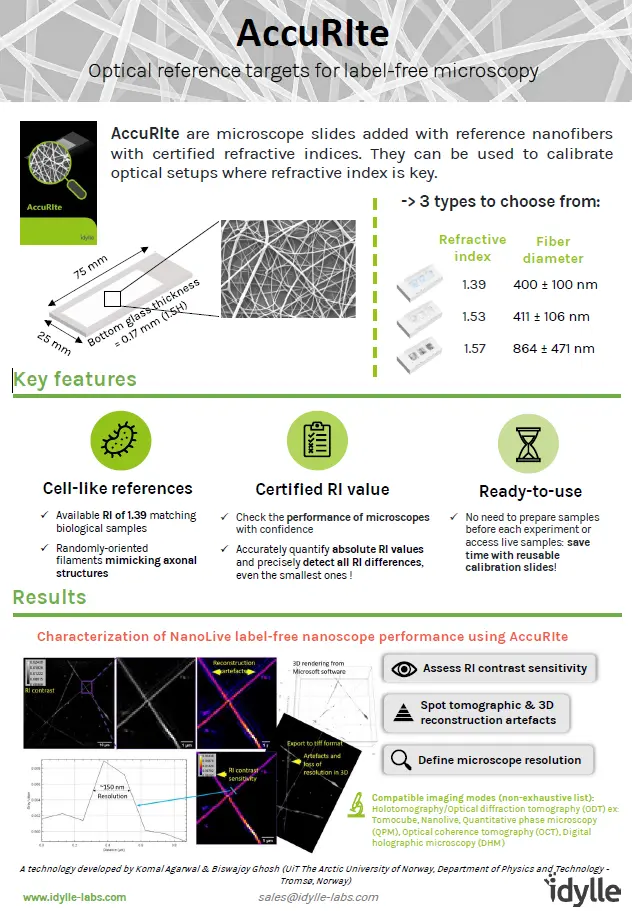
AccuRIte are microscope slides added with reference nanofibers with certified refractive indices. They can be used as phantoms to calibrate optical setups where refractive index is key.
AccuRIte at a glance
Realistic proxies
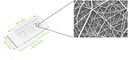
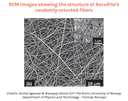
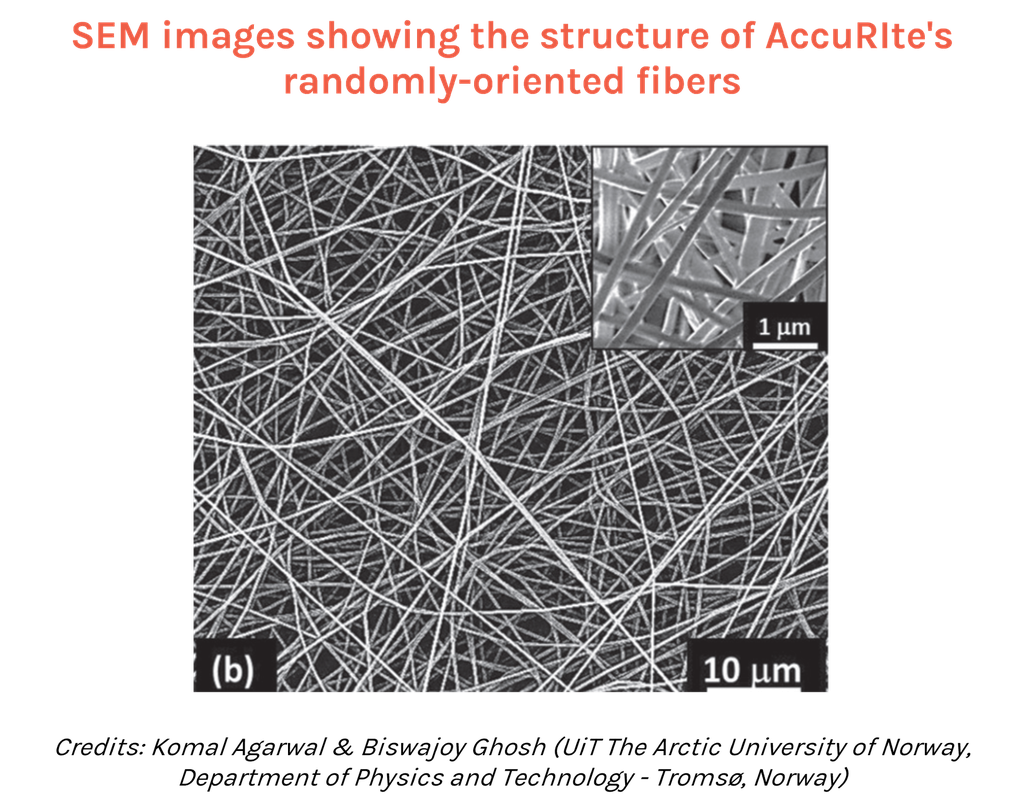
With RI matching biological samples and randomly-oriented filaments mimicking axonal structures, AccuRIte provides synthetic "biological-like" references without the need for actual cell samples.
Get convincing data
With their certified RI value measured by ellipsometry, these substrates provide a built-in quantitative reference to validate the accuracy of inferred RI values, calibrate instruments, improve data reproducibility and increase confidence in your results.
Ready-to-use
No need to prepare samples before each experiment or access live samples: save time with reusable calibration slides!
Why should I use AccuRIte?
- As a RI phantom, to validate accuracy of your inferred RI measurements
A number of methods imply to deduce RI values indirectly (i.e. via algorithms or models), and proving that the inferred RI value is correct can be quite challenging. AccuRIte is the first tool providing absolute guarantee that the RI you measure is truly representative of the real-world value.
- As a calibration tool, to make sure that your instrument can properly quantify RI values and/or detect subtle RI differences
Making sure that the RI values you detect are accurate is key to reliable data. Built-in RI calibration softwares are often not sufficient to guarantee that measured RI are truly representative of the actual RI values of your sample, which brought the need for an external certified calibration tool like AccuRIte.
- As an internal "biological-like" standard, to increase confidence in your cell imaging results
By adding the medium of your choice on top of the fibers, AccuRIte can be imaged alongside biological samples as a built-in reference to ensure that the measured changes are biological and not due to instrument drift. Whether you're working with quantitative or relative RI measurement methods, by properly detecting RI values closer to reality, you increase the dynamic range of the acquired data and the sensitivity of the detection. Make sure you accurately quantify absolute RI values and detect all RI differences, even the smallest ones.
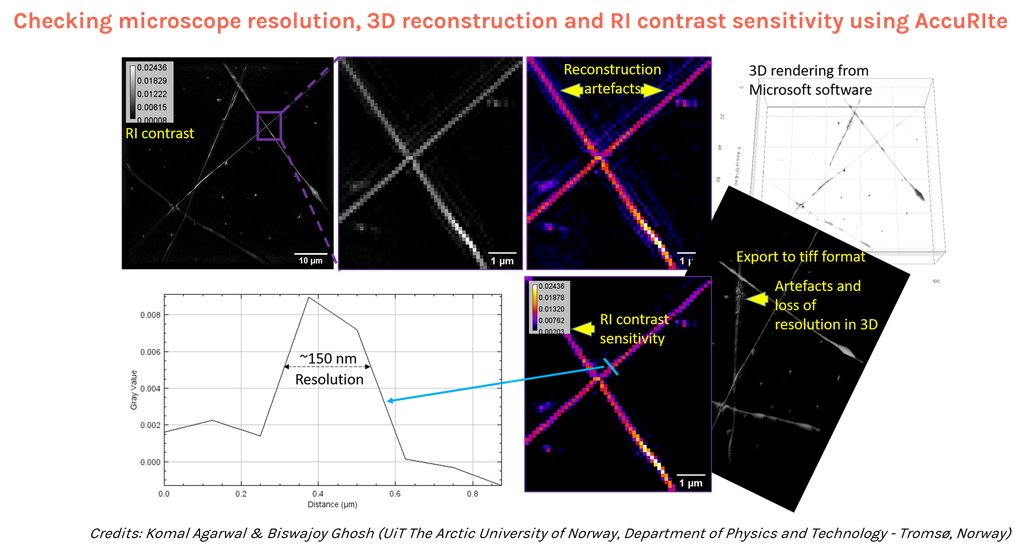
- As a resolution target, to evaluate imaging quality (i.e. lateral resolution, PSF behavior, system alignment, or spot artefacts)
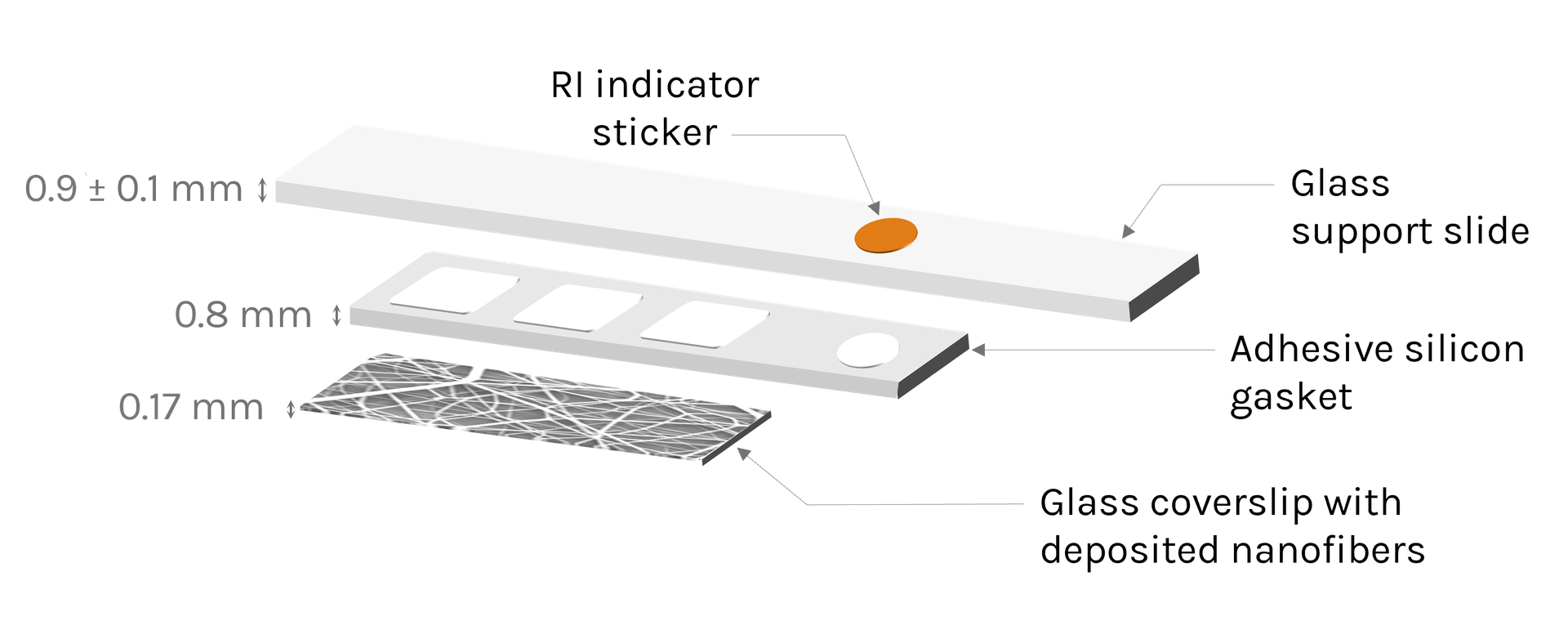
Specifications:
- Reference structures: unlabeled fibers (randomly-oriented)
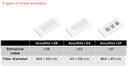
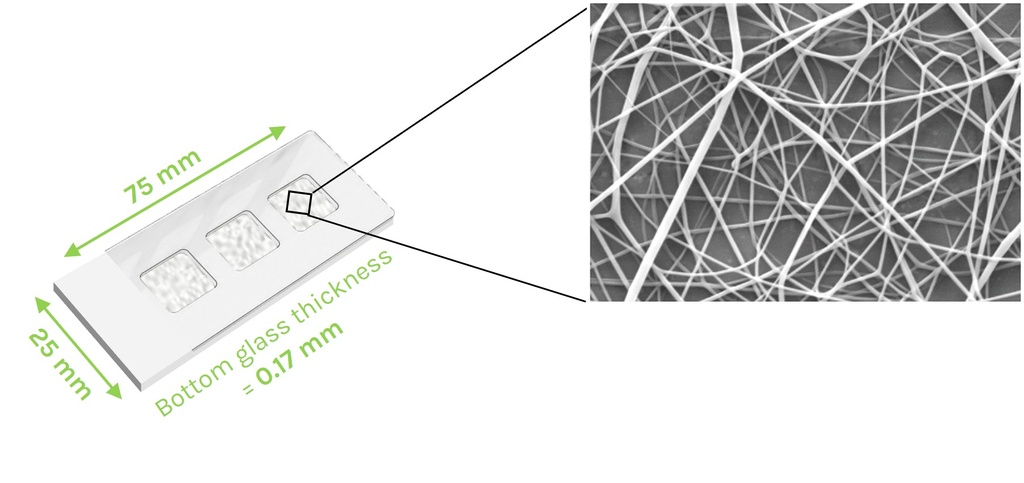
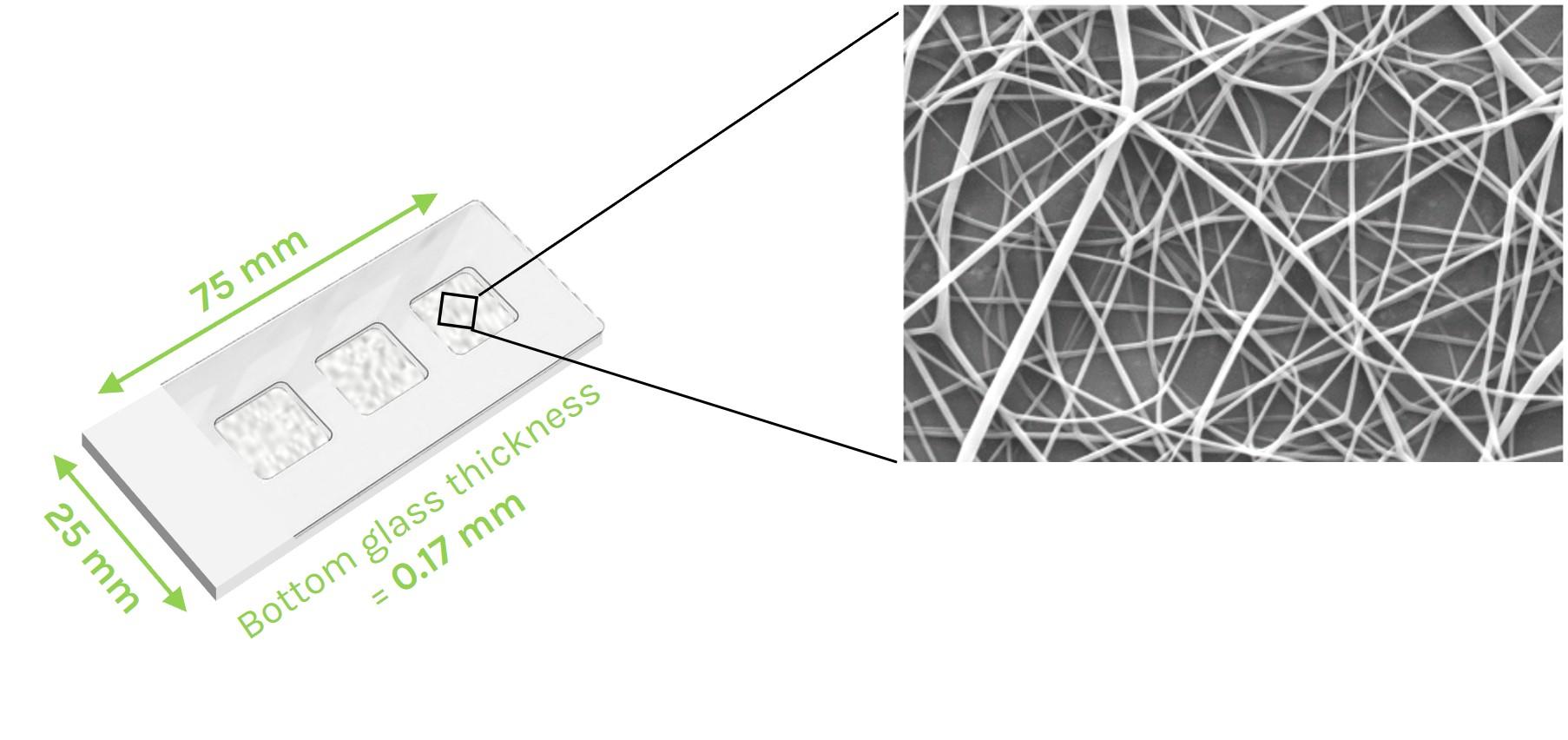
- Slide dimensions (L x l x h): 75 mm x 25 mm x 1.87 +/- 0.1 mm
- Bottom glass thickness: 0.17 mm
- Immersion medium: AccuRIte fibers are provided sealed, without any liquid immersion medium. If needed, an immersion medium of your choice (ex: culture medium, PBS, etc) can be added to the wells (3 per slide).
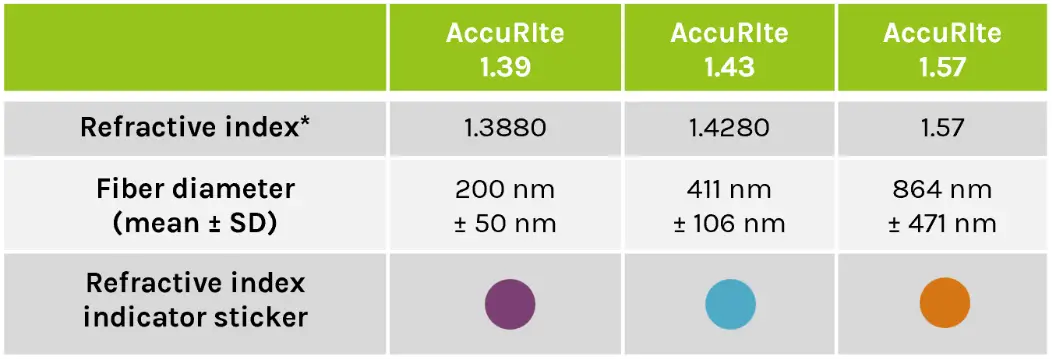
*Exact refractive index at the tip/apex of the fibers, measured by spectroscopic ellipsometry in the central visible range (555 nm).
Storage: store and re-use indefinitely at room temperature.
For optimal RI calibration, we recommend ordering 2 calibration slides with distinct RI values.
Applications:
AccuRIte can be used as routine RI targets in a variety of imaging modalities (non-exhaustive list):
- Holotomography/Optical diffraction tomography (ODT) (ex: Tomocube, Nanolive)
- Quantitative phase microscopy (QPM)
- Optical coherence tomography (OCT)
- Digital holographic microscopy (DHM)
Additional documents:
- AccuRIte product brochure
- AccuRIte technical datasheet
- AccuRIte 1.39 - safety datasheet
- AccuRIte 1.43 - safety datasheet
- AccuRIte 1.57 - safety datasheet
- AccuRIte 1.39 - Certificate of Analysis - 001-2603
- AccuRIte 1.43 - Certificate of Analysis - 001-2603
A punchy Headline
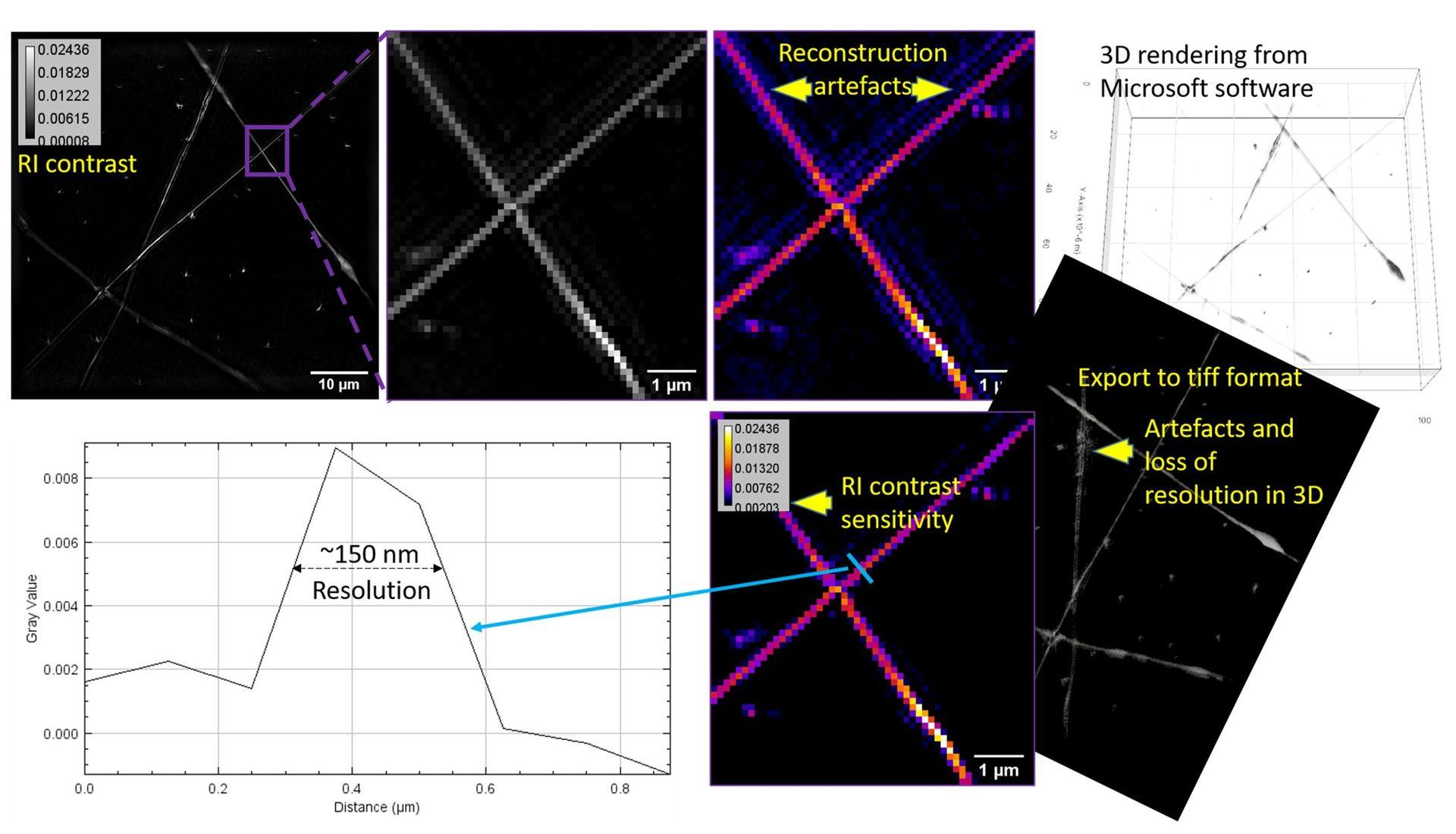
Using AccuRIte 1.39 to calibrate a NanoLive system
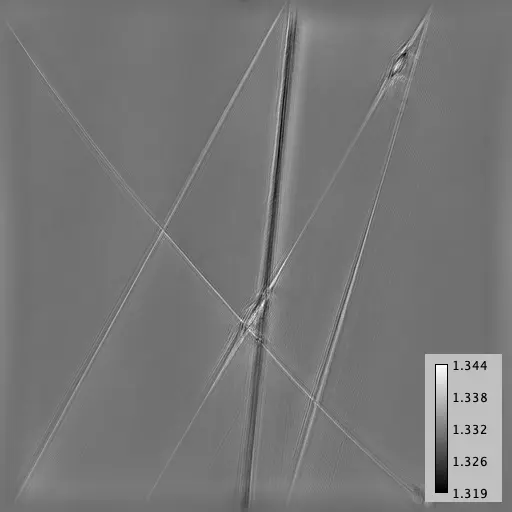
A punchy Headline
Characterization of NanoLive label-free nanoscope performance using AccuRIte